If you run an Instagram account in Germany and your bio still points to your homepage, you are sending followers down a rabbit hole instead of toward the action you actually want them to take. A well-built link in bio page built for the German market — where privacy expectations are high, mobile usage dominates, and audiences tolerate no patience for slow-loading pages — can replace a dozen scattered links with one fast, clear destination.
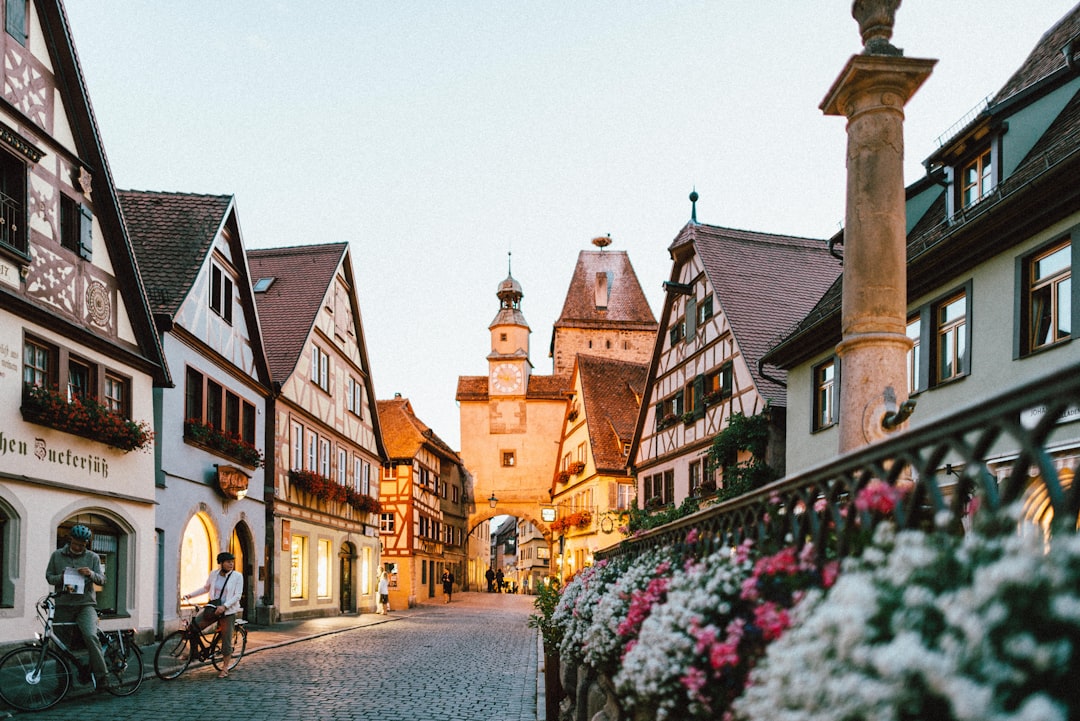
Cover photo by Roman Kraft on Unsplash.
Why German Audiences Respond Differently to Link-in-Bio Pages
German internet users are among the most privacy-conscious in Europe. A significant share actively use ad blockers, question cookie consent banners, and are suspicious of pages that load slowly or ask for unnecessary data. This shapes what makes a good link-in-bio page in this market:
- Speed matters more than flash. A page that loads in under two seconds on a mid-range Android phone wins. Heavy animations or autoplaying video backgrounds lose people before they scroll.
- Clarity over cleverness. German audiences appreciate direct labels. A button that says "Book a consultation" outperforms one that says "Let's connect."
- GDPR-awareness is built in. If your link-in-bio tool embeds third-party trackers, German followers will notice — and some will leave. Choose a platform that does not stuff your page with invisible pixels.
- WhatsApp is the dominant messaging channel. Unlike many other European countries, WhatsApp is the default contact method in Germany for both personal and business communication. A pinned WhatsApp button on your link page is not optional — it is expected.
Which Niches in Germany Benefit Most from Link in Bio
The format is not just for influencers. Here are the use cases where a link-in-bio page pays off quickly in the German market:
- Handwerk and local services (trades, repair shops, cleaning services). A plumber in Hamburg who posts before-and-after photos on Instagram needs one page that shows their service area, WhatsApp number, Google Maps link, and a booking form. A full website is overkill; a link-in-bio page is exactly right.
- Food and Gastronomy. Restaurant owners in Munich or Berlin who are active on Instagram can point bio traffic to a page with the current menu PDF, a reservation link (OpenTable or a direct phone), Google Maps, and a link to their delivery platform (Lieferando).
- Coaches and consultants. Whether you are a business coach targeting Mittelstand CEOs or a personal trainer in Frankfurt, you need one page that leads to your booking calendar (Calendly or Acuity), a short intro video, and testimonials.
- Artists, photographers, and designers. Creative freelancers benefit from a page with an image gallery, a shop link (Etsy, Shopify, or a local German shop on DaWanda-style platforms), and a contact option.
- E-commerce and Salla shops. German sellers on niche e-commerce platforms or running their own Shopify store can use a link page to aggregate their shop, social proof, and latest promotions.
How to Structure Your Link in Bio Page for the German Market
Structure determines whether visitors take action or bounce. For a German audience, keep the page lean and purposeful. A good structure looks like this:
- Profile section: A clear photo or logo, your name or brand name, and a one-sentence description in plain language. If you serve a specific city or region, say so — "Graphic designer based in Cologne" is more trustworthy than a vague tagline.
- Primary CTA button: The single most important action — booking, shop, contact. Put it first. Use specific text: "Order now," "Book a free call," "View today's menu."
- WhatsApp button: Pin this near the top. German customers prefer to ask a quick question before committing. Make it easy.
- Secondary links: 3-5 links maximum. Each should answer a distinct intent: one for new visitors (about/intro), one for ready-to-buy visitors (shop/booking), one for community (YouTube, newsletter, podcast).
- Social icons: Keep these at the bottom. They are an exit from your page — let visitors complete their goal first.
Avoid the common mistake of listing every social platform you are on as a separate link. Your goal is conversion, not a directory of your online presence.
Linktree, Beacons, or Carrd — Which Tool Works Best for Germany
The three most common alternatives each have trade-offs when used in Germany:
- Linktree is the most recognizable brand, but the free plan is bare. Analytics, custom domains, and image-thumbnail buttons all require a paid tier. The interface is straightforward but the default look is generic, which works against building trust with a German audience that values professional presentation.
- Beacons is popular with creators who want a media kit and brand deal features. It is a strong choice if influencer monetization is your goal, but it is more complex than most local businesses or freelancers need.
- Carrd gives you the most visual control — essentially a simple one-page website builder. The downside is setup time: you are building a page from scratch rather than filling in a structured template. For non-technical users, this is a barrier.
For German businesses and creators who need a fast, mobile-optimized page with a pinned WhatsApp button, click analytics, product/shop display, and a free plan that does not strip out the useful features, these mainstream options often fall short on at least one dimension.
Practical Setup: From Zero to a Working Link in Bio Page in Under 30 Minutes
If you are starting from scratch, here is a focused setup checklist:
- Gather your links first. Open a notes app and list every URL you want on the page: shop, booking, WhatsApp (format: https://wa.me/49XXXXXXXXX), your most important social platforms, and any current promotions.
- Choose a clean, fast theme. Avoid themes with video backgrounds if your audience is on mobile data. A minimal theme loads faster and looks professional on any screen.
- Write button labels in clear German or English. Match the language of your Instagram account. If you post in German, label your buttons in German. Mixed-language pages feel inconsistent and reduce trust.
- Set a custom domain if your plan allows. yourname.de or yourbrand.de is far more memorable and trustworthy in Germany than a generic subdomain on a third-party platform.
- Turn on click analytics. Check which links actually get tapped. After two weeks, remove or reorder based on real data, not guesses.
- Add your page URL to every social bio at once. Instagram, TikTok, LinkedIn, YouTube — update all of them in one session so you do not forget any.
Common Mistakes German Creators and Businesses Make
These are the patterns that consistently hurt link-in-bio performance in Germany:
- Linking directly to a homepage. A homepage is designed for browsing. A link-in-bio page is designed for one action. Sending social traffic to your homepage is the single biggest missed opportunity.
- Not updating the page after a campaign ends. A page with a "Summer Sale ends July 31" button in October signals neglect. Treat your link page like your Instagram bio — keep it current.
- Too many links. Seven or more links create decision paralysis. Three to five focused links with clear labels outperform a long list every time.
- Missing contact information. German buyers expect to be able to reach you easily before purchasing. A WhatsApp link and an email address remove friction and build confidence.
- Ignoring mobile preview. Over 80% of Instagram traffic in Germany is mobile. Build the page on desktop if you like, but always preview it on your phone before publishing.
Build Your Link in Bio Page with Alllinks
If you want a link-in-bio page that handles all of the above without stitching together multiple tools, Alllinks gives you a fast mobile page with image-thumbnail link buttons, a photo gallery, a built-in shop/products section, video, a pinned WhatsApp contact button, a QR code for print materials, click analytics, and a range of custom themes — all starting on a free plan. A paid plan adds a custom domain, which for German audiences is well worth the upgrade for the credibility it brings.
